| What Is a Cult? Looking Beyond Labels to Recognise the Real Warning Signs
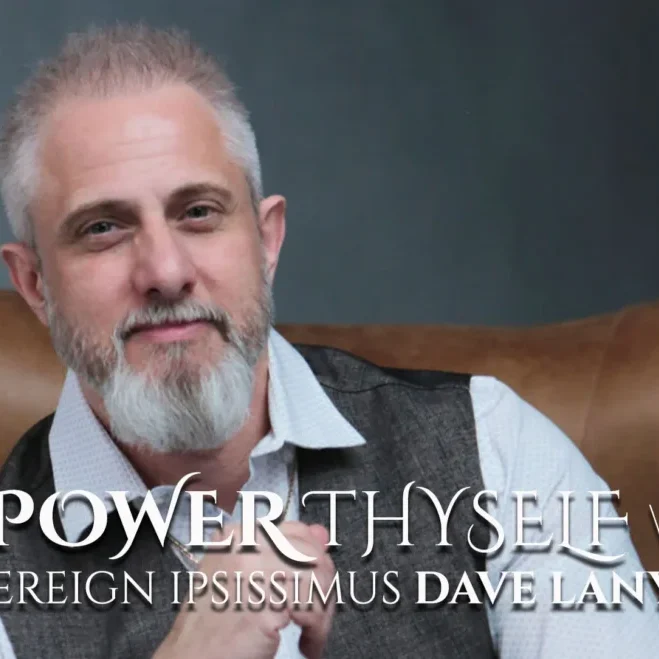
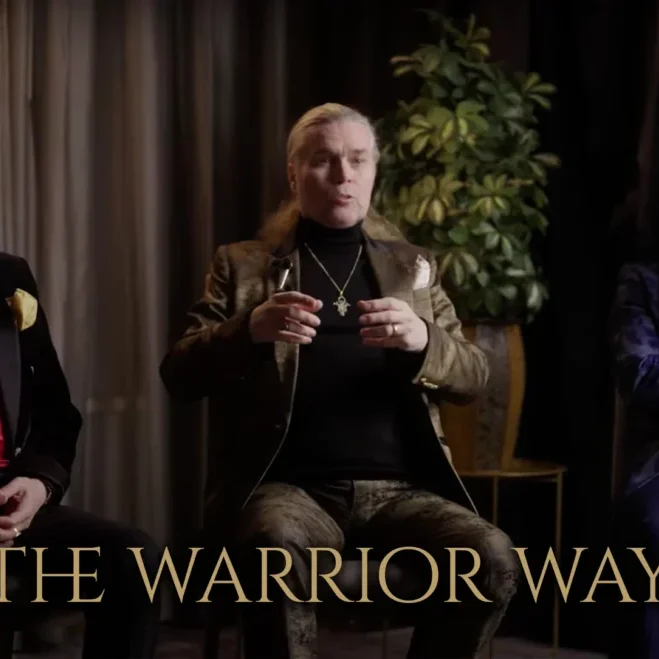
I recently watched What Is a Cult? 14 Warning Signs by Sovereign Ipsissimus Dave Lanyon, Lineage Holder of the Modern Mystery School, an internationally recognised teacher of Hermetics and bestselling author. It left me reflecting on something that I think many of us encounter at some point in our lives.
Whether we’re searching for a spiritual path, looking for answers, or simply trying to find a community where we belong, we all place our trust in something or someone. Yet with so many teachers, organisations, philosophies, and online voices competing for our attention, it isn’t always easy to know what is genuinely healthy and what isn’t.
Perhaps that is why the word cult carries so much weight. It immediately brings to mind manipulation, blind obedience, and exploitation. Yet one of the first things he points out is that there is no universally agreed definition of a cult. Psychologists, sociologists, religious scholars, and legal systems all approach the subject differently.
Rather than getting caught up in labels, he encourages us to ask a much better question:
Does this path help me become more fully myself, or does it slowly ask me to surrender who I am?
That question stayed with me long after the video had finished because it shifts the focus away from judging other people or organisations and asks us to look honestly at our own experience. It isn’t really about deciding whether someone else is right or wrong; it’s about asking whether a path is helping us become freer, more authentic, and more connected to who we truly are.
Commitment Isn’t the Enemy
One of the biggest misconceptions he challenges is the idea that commitment itself is dangerous.
When I stopped and reflected on it, it made complete sense. The most meaningful parts of our lives all require commitment. Our relationships, our families, our careers, our education, and even our spiritual practice ask something of us. They all require time, patience, discipline, and sometimes sacrifice.
Commitment isn’t what we should fear. It’s when commitment quietly becomes control that we need to pay attention.
As someone who has spent many years exploring spirituality, I’ve realised that the healthiest teachers and communities have never asked me to stop thinking. Instead, they have encouraged me to think more deeply, take greater responsibility for my own choices, and continue growing in my own understanding.
That distinction really changed the way I looked at things. A healthy community should leave us feeling stronger, wiser, and more capable of making our own decisions. It should encourage us to stand on our own two feet, not gradually become dependent on a leader or an organisation to tell us what to think or how to live.
Becoming More Yourself
This was probably the part of the video that resonated with me the most.
I’ve always felt that genuine spirituality should help us become more of who we truly are, not less.
It shouldn’t erase our individuality or make us feel that we need to fit into someone else’s mould in order to belong. Instead, it should gently help us peel away our fears, limiting beliefs, and old conditioning so that who we really are can emerge more clearly.
If joining a group means losing your voice, your friendships, your personality, or your ability to question, then something precious is being lost. Surely wisdom should help us become more authentic, more loving, and more ourselves.
Freedom to Question
Another theme that kept returning throughout the video was the importance of asking questions.
That really resonated with me because I’ve always believed that truth doesn’t need protecting. If something is genuinely true, it should be able to withstand honest enquiry.
Healthy teachers don’t need unquestioning followers. They encourage curiosity, welcome discussion, and understand that wisdom grows through exploration rather than blind acceptance.
Looking back over my own journey, I can honestly say that the moments of greatest growth came when I felt free to ask questions—not when I was expected to simply accept the answers.
If questions are discouraged, or disagreement is treated as betrayal, perhaps that’s an invitation to pause and ask why.
Relationships Matter
One distinction he makes is between choosing temporary solitude and becoming isolated from the people who love us.
There are times when retreat, silence, or stepping away from everyday life can be deeply healing. I’ve experienced how valuable it can be to create space for reflection and inner work.
But healing should ultimately reconnect us with life, not separate us from it.
A healthy spiritual path should help us become better partners, parents, children, friends, neighbours, and colleagues. It should deepen our capacity to love and understand others, not convince us that everyone outside the group is somehow less aware or less worthy.
The Importance of Integrity
Another thing I appreciated was that Sovereign Ipsissimus Dave doesn’t spend his time arguing about beliefs.
Instead, he talks about behaviour, about transparency, ethics, and accountability.
Those qualities matter wherever people come together, whether in a spiritual organisation, a workplace, or a family.
To me, integrity is one of the clearest signs of authentic leadership. No genuine teacher should ever ask someone to ignore abuse, avoid appropriate medical care, or abandon their own moral compass.
Real wisdom is never afraid of integrity.
The Gift of Free Will
If there was one message that stayed with me after watching the video, it was the importance of free will.
Perhaps this is the simplest way of measuring any spiritual path.
Does it leave me feeling more capable of making my own choices?Does it encourage me to think more deeply, love more openly, and take greater responsibility for my own life? Or does it slowly ask me to hand those things over to someone else?
Those are questions I think I’ll continue asking myself. Not just about spiritual organisations, but about any influence that I allow into my life.
Discernment Rather Than Fear
What I appreciated most about this video is that it isn’t asking us to become suspicious of every teacher or every spiritual organisation. Instead, it invites us to become more discerning. To me, there is a profound difference.
Discernment isn’t about living in fear. It’s about learning to trust our own experience, asking honest questions, observing behaviour, and recognising that genuine wisdom should always expand our freedom rather than diminish it.
Perhaps that is the greatest reminder of all.
The purpose of any authentic spiritual path is not to make us dependent on a teacher. It is to help us remember the wisdom, strength, and light that already exists within us.
Perhaps that’s the question I’ll continue carrying with me. Not because it helps me decide whether something deserves the label cult, but because it reminds me what authentic spiritual growth should feel like. It should leave me more compassionate, more discerning, more responsible, and more myself.
Does this path help me become more fully myself, or does it slowly ask me to surrender who I am?
For me, that may be one of the most important questions any of us can ask. |